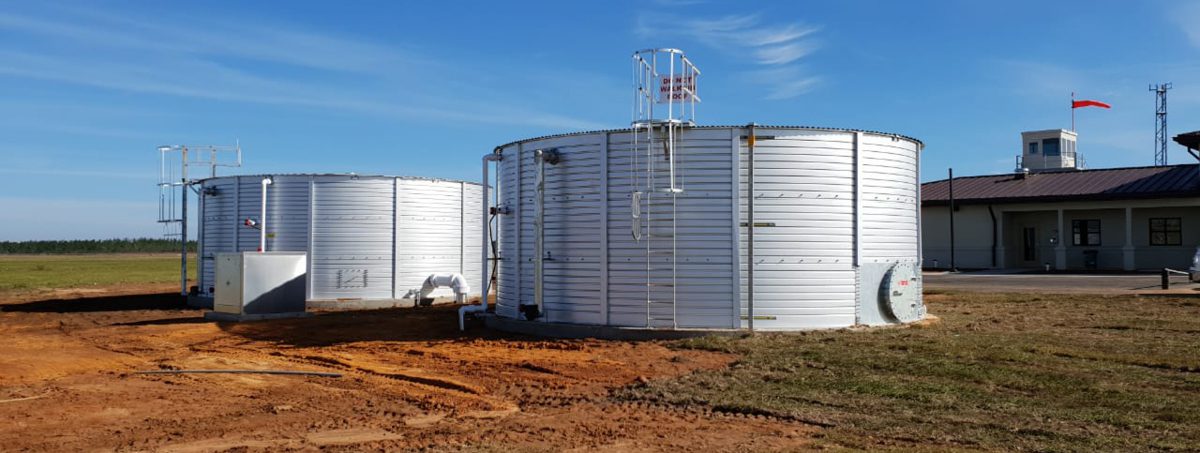

As water storage systems play a critical role in fire protection infrastructure, their reliability under all environmental conditions is essential. Across the United States, tanks must be engineered to perform in a wide range of climates—from seismic regions and high-wind zones to areas exposed to extreme temperature fluctuations. While structural considerations often take priority, thermal protection becomes equally critical in colder and variable climates.
For bolted steel tanks used in fire protection applications, such as the SBS Tanks range of NFPA 22-compliant fire protection tanks (https://sbstanksusa.com/our-solutions/water-tanks/applications/fixed-fire-protection-water-tanks/), the integration of heating and insulation systems is not simply a design preference—it is a function of ensuring compliance, reliability, and system readiness. However, these solutions must be applied thoughtfully, guided by NFPA 22 principles, rather than assumed as default requirements.
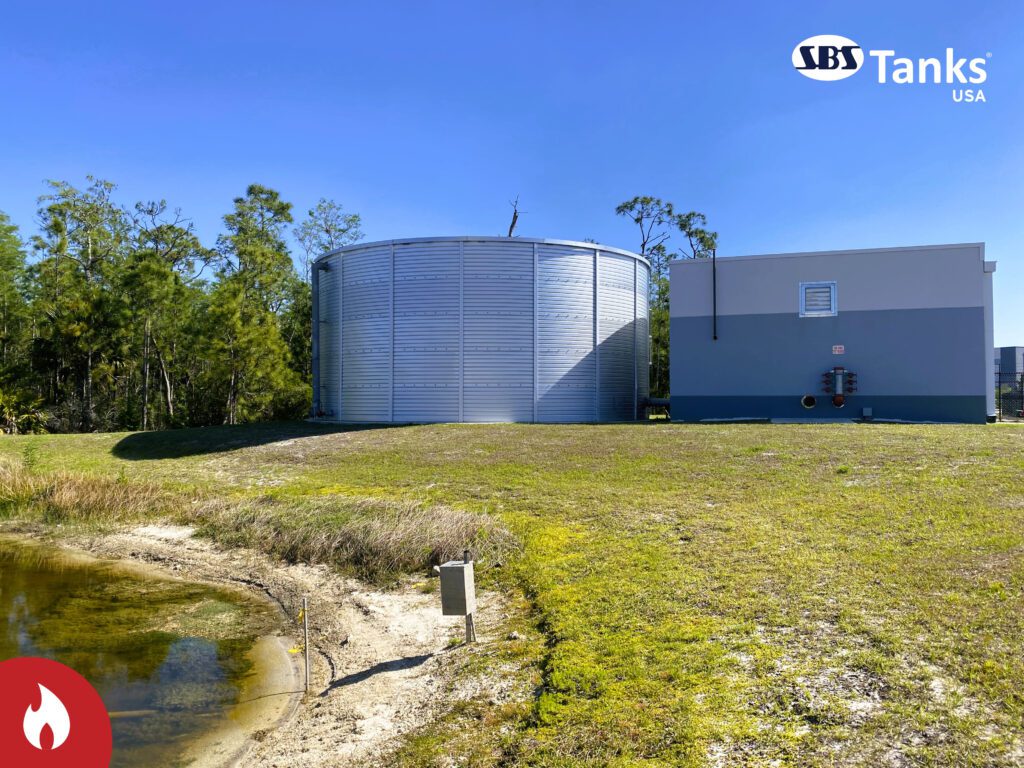
NFPA 22 establishes that water stored within the tank must remain in a usable condition at all times. It uses a performance-based approach, allowing flexibility in how freeze protection is achieved.
Fire protection water and associated piping should be maintained above approximately 42°F to prevent freezing, and calculations are required to determine whether insulation alone is sufficient or if active heating is necessary.
In 2018, NFPA 22 removed isothermal maps and introduced clearer criteria. Table 16.2.1(a) states that heating is required when the lowest one-day mean temperature (LODMT) is below 5°F, with temperature data sourced from approved references.
This confirms that freeze protection must be based on actual environmental conditions—not assumptions.
Freezing water expands, creating pressure that can damage tank panels, liners, and connections. Ice can also block outlets and piping, preventing water delivery.
In fire protection systems, this risk is critical, as water must always be available. Maintaining water in a usable state is essential for NFPA 22 compliance.
The Midwest, Northeast, and Mountain West regions experience sustained freezing conditions, making heating and insulation necessary components of tank design.
Southern and Transitional Climates: A Case-by-Case Approach
Southern states experience intermittent freezing. In some cases, heaters and full insulation are specified even when risk is limited.
Often, insulation alone is sufficient. Heating should be applied where justified.
Heaters maintain water above freezing. Insulation reduces heat loss and improves efficiency. Together, they provide balanced protection when required.
SBS Tanks designs modular bolted steel tanks aligned with NFPA 22 principles. Heating and insulation are applied based on site-specific needs, ensuring compliance without overdesign.
Freeze protection should be guided by NFPA 22, environmental data, and engineering judgment to ensure performance and cost efficiency.
SBS Tanks provides engineered water storage solutions for fire protection and other applications, delivering durability and long-term performance.
www.sbstanksusa.com
© SBS Holdings 2026
